A history of rescue animals.
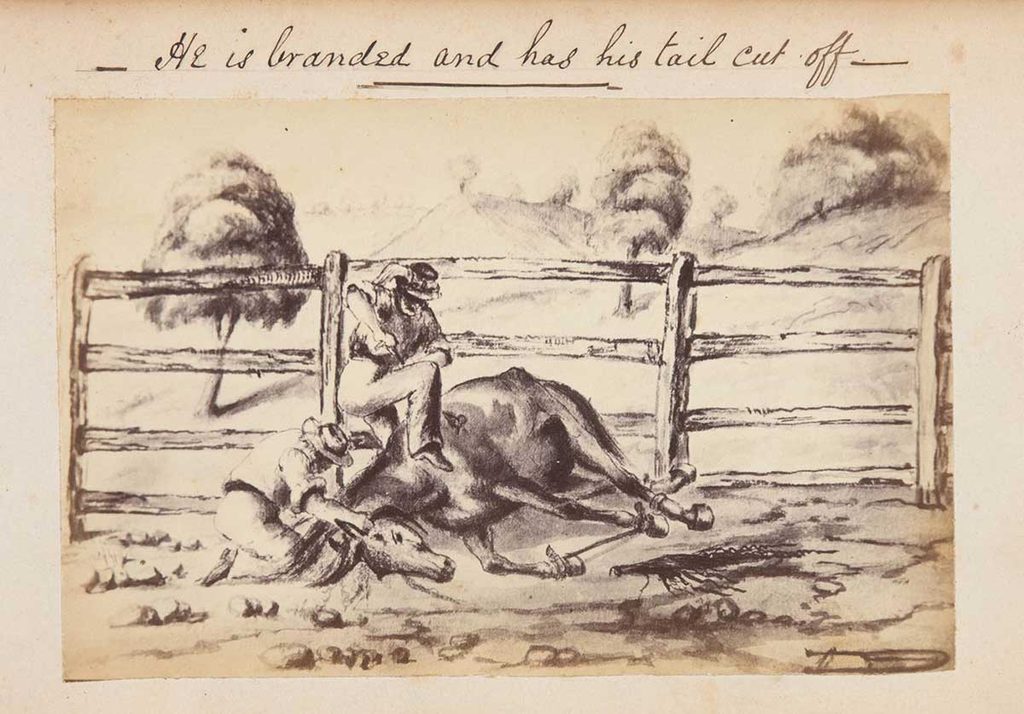
The Society for the Prevention of Cruelty to Animals
The history of rescue animals started in Victoria in 1871. The Society for the Prevention of Cruelty to Animals (SPCA) was formed to stop the mistreatment of horses.
The very first Australian SPCA started in Melbourne after a public meeting about working horses. New South Wales followed in 1873, with South Australia (1875), Tasmania (1878), Queensland (1883), and Western Australia (1892) doing the same. These 'rescue animal' groups later united to form Royal Society for the Prevention of Cruelty to Animals (RSPCA) Australia in 1981.
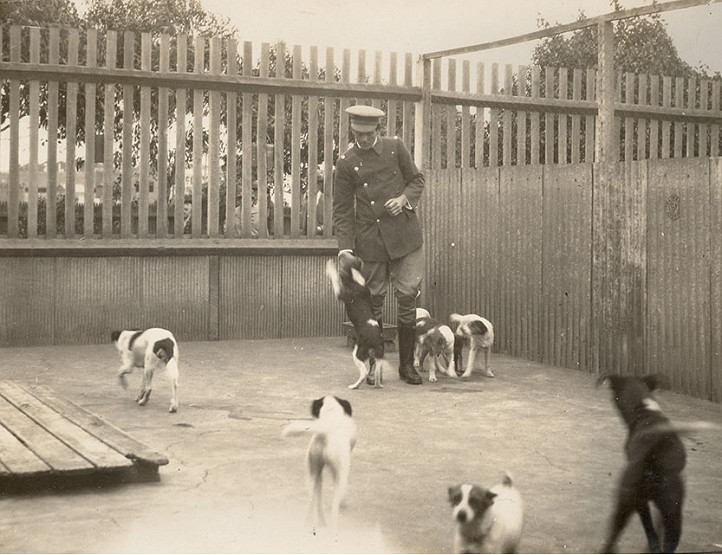
The Lost Dogs Home
The Lost Dogs Home opened in North Melbourne in 1910 as a temporary refuge for lost and starving dogs, growing into one of the country's largest modern shelters. Today, The Lost Dogs Home cares for over 18,000 to 25,000 cats and dogs annually, depending on yearly intake and community rescue numbers, at two locations, North Melbourne and Cranbourne West, Victoria.
Animal Welfare League
Animal Welfare League was founded in NSW in 1958 as a breakaway group from traditional shelters to change animal care standards. AWL celebrates 60 years of anti-cruelty and care of animals.
One of AWL's greatest achievements includes establishing critical animal inspectorates to enforce animal cruelty laws, launching nation-leading animal welfare prevention strategies, and running record-breaking community fundraising campaigns (like raising over $876,000 on a single Giving Day) to support pets in crisis.
Queensland AWL was established in South East Queensland in 1959 and over it's history has saved over 177,000 companion animals. NSW AWL has saved over 100,000 companion animals in its history.
WIRES
WIRES was established in 1985, as the Wildlife Information, Rescue and Education Service to care for sick, injured, and orphaned native animals.
Open Rescue
Open Rescue (1980s): Pioneered by activists like Patty Mark to document factory farming cruelty and rescue individual animals.
Open Rescue in the 1980s was an ethical strategy where activists like Patty Mark openly entered Victorian factory farms, documented systemic abuse, and rescued individual animals without hiding their identities. Further reading about Patty Mark by Animal Liberation.
Notable Examples and Milestones
- Founding Liberation Sanctuary (1986): Patty Mark established what began as a suburban Melbourne refuge after battery-cage laying hens were surrendered or rescued, creating a permanent safe haven for survivors.
- Battery Hen and Piglet Interventions (Late 1980s): Animal Liberation Victoria rescue teams routinely walked into intensive egg and pork production sheds in Victoria to extract sick, dying hens and injured piglets, providing them with emergency veterinary care.
- Live Export Protests (Early 1980s): Activists engaged in early frontline blockades and interventions by putting themselves in front of live export trucks in Victoria to halt transport operations and document conditions.
PetRescue
PetRescue (2004): Launched as an online platform to connect homeless pets with adopters across the nation. PetRescue has helped rehome and adopt out over 1,025,939 pets since it launched in 2004.
Home2Home Program: A nationwide initiative empowering pet owners to safely rehome their pets directly without entering the shelter system.
Promoting Foster Care: A program building a community awareness for more carers to contact an Animal Rescue to register as a foster carer.
Community Care Program: Supports animal welfare groups and management systems with operational tools, resources, and free food/product donations.
People & Pets Program: Focuses on recognising and assisting the special bond between humans and their animal companions.
Cats Cats Cats Program: Promotes positive feline guardianship and modern, progressive cat management.
Social Change Program: Works to reshape outdated system structures and societal biases through modern thinking and campaigns like "Love Knows No Breed".
Safe & Sound Pets Program: Unites the sector through research, advocacy, and practical programs to keep pets safe and families together.
To read more about these programs go to PetRescue.com.au
Savour-Life
Another platform (website) that has emerged with great benefits is Savour-life.
SavourLife was launched in 2013 by founder Michael McTeige and his wife Kim.
The Australian profit-for-purpose company was created with a mission to reduce the number of adoptable shelter dogs euthanised to zero by donating 50% of its profits to rescue organisations. You can read more about their mission and milestones on the SavourLife About Us page.
SavourLife reaches $10 million in donations to dog rescue groups, by Thomas Oakley-Newell, May 28, 2025. The founder, Michael McTeige said, “At the end of the day, this isn’t just about dog food– it’s about giving every dog [and cat] the chance to be loved, safe, and home. That’s the real reward.”