Our Mission
At PetStar Australia, our primary objective is to provide information and services for Pet Owners, Individuals in the Pet Service Industry, Foster Carers and Animal Rescues.
Our Vision
To encourage more people to become Foster Carers for Animal Rescues across Australia, and to decrease the number of pets being euthanised in Australian pounds and shelters.

Zara, Tallulah, Leroy, Jazzy.
Australia's Pet Crisis - the long-term impacts of the pandemic on the pet industry
After COVID-19, many people returned to full-time work. In the years that followed (2021 onwards), many pet owners struggled to find a pet-friendly rental property. In addition, the cost of living has risen, causing hardship, and thousands of pets are being surrendered to council pounds. Many animal welfare organisations have a Surrender Waiting List of 1 year.
There has been a surge in puppy surrenders as unregistered breeders are left with litters that are not selling due to low adoption rates and a dramatic increase in the cost of living. People are no longer purchasing puppies in the numbers they used to.
Dogs and puppies adopted during COVID-19 did not receive the socialisation they needed. This has led to a large number of dogs with Separation Anxiety and poor socialisation, causing behavioural issues. We have seen a record number of surrenders and/or pet dumping. Some Councils have reported arriving early in the morning to find a dog tied to a pole (BARC, Blacktown).
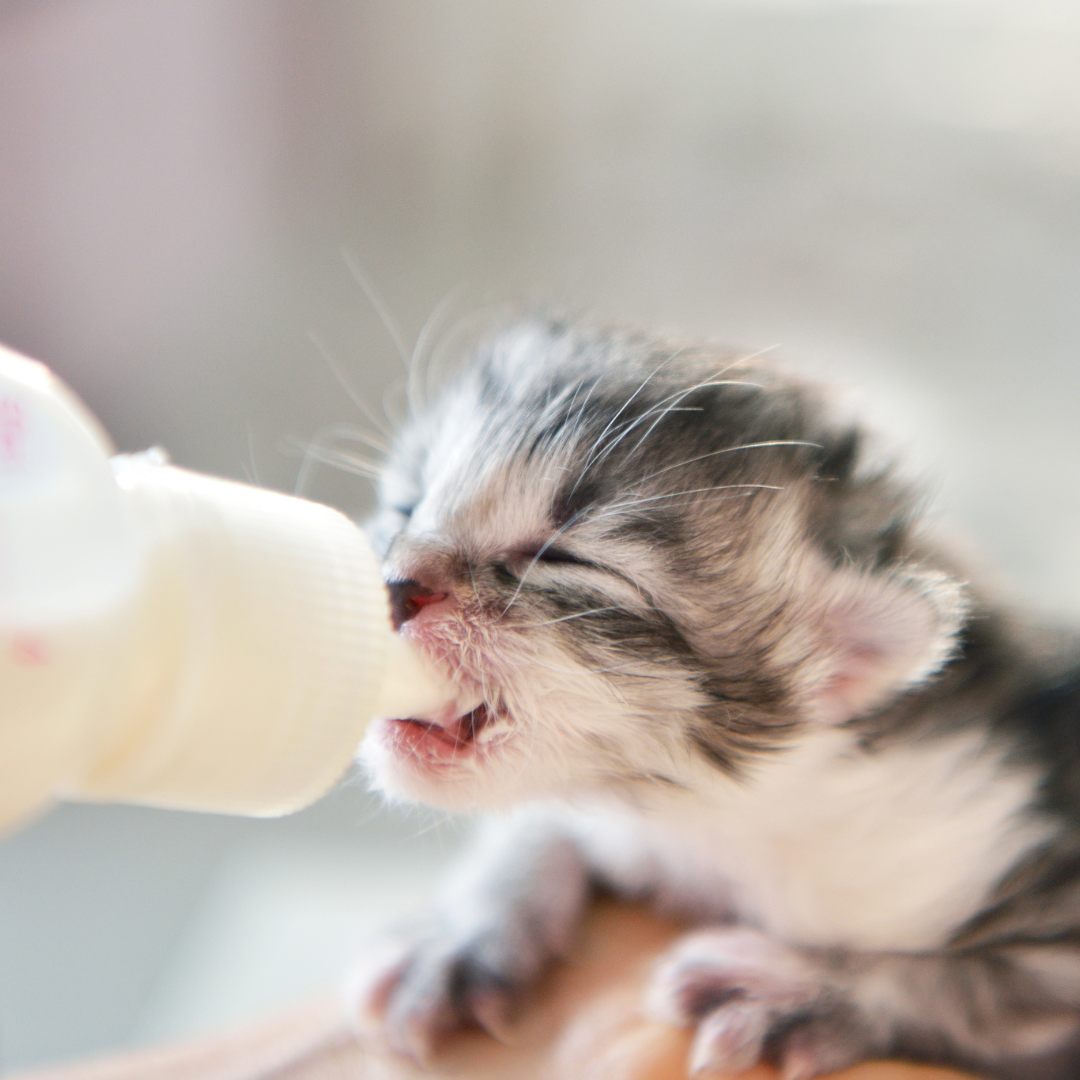
A lack of desexing, particularly among cats, has led to an enormous increase in the number of unwanted cats and kittens.
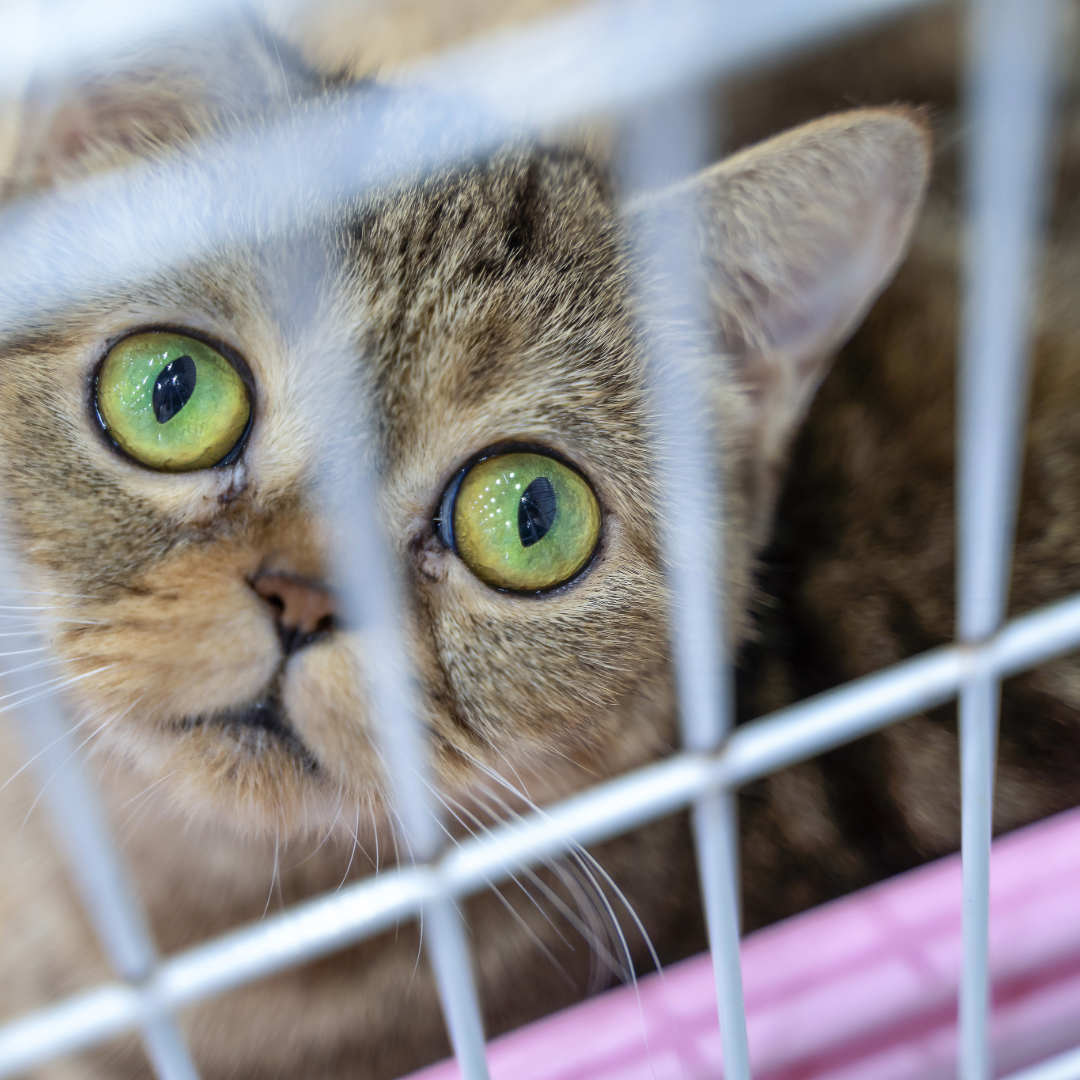
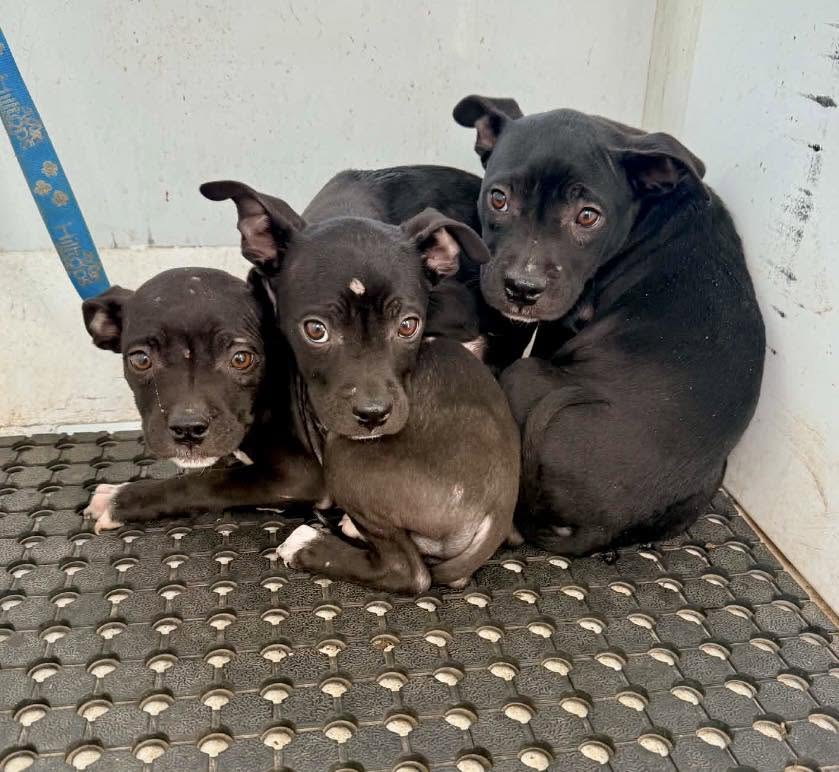
Council Animal Shelters (also known as Animal Holding Facilities) and Animal Welfare Organisations (RSPCA and AWL) are at capacity. Many animals do not cope well in the Pound environment, which is extremely noisy, lacks human contact (caged for 22 hours a day), and causes pets to miss their owners. Pets can become extremely stressed, depressed, and difficult to handle safely at times.
Although many shelters aim to be 'no-kill', the reality is that they are at capacity, and decisions have to be made about which animals are deemed "not rehomable", too dangerous, or too sick. Those animals are euthanised to make more room for new animals arriving.
The Pound Data Reports classify the reasons council pounds euthanize cats, dogs, and other animals as follows:
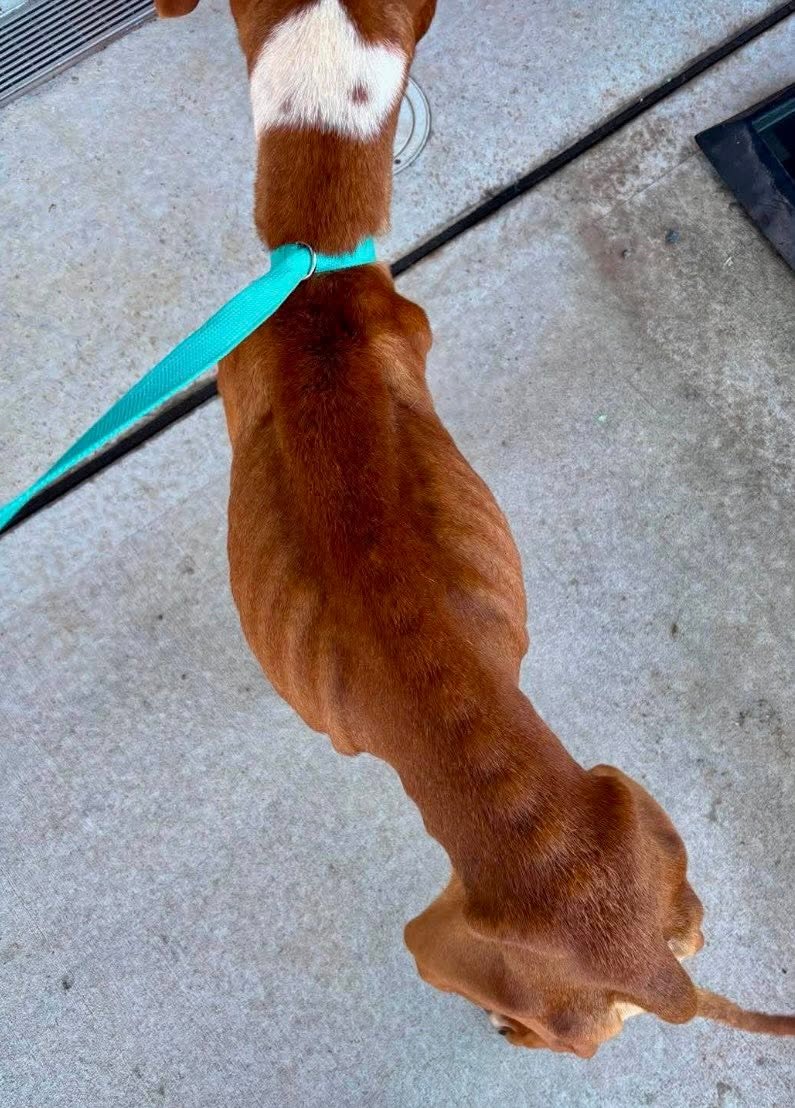
Illness/Disease/Injury, Feral/Infant, Owner Request, Unable to Rehome, Unsuitable for Rehoming, Dangerous/Restricted/Other, Died at Facility. (www.OLG.nsw.gov.au, Animal Seizures – Pound Data Reports, (search on Pound Data Report). In the 2024-2025 report, 3,692 cats died, and 2,816 dogs died, a total of over 6,000 pets. RSPCA euthanasia rate was 30% for the same period, being approximately 8,000 pets and AWL only 9 pets.

There have been many changes to the Companion Animal Act, including the Companion Animals Amendment (Rehoming Animals) Act 2022, which states:
"Councils are required to provide written notice to at least two Approved Rehoming organisations (animal rescues registered with the Office of Local Government NSW) that a seized or surrendered animal is available for rehoming and will remain available for at least 7 days from the date of the notice."
How have these changes affected Animal Rescues?
What does this mean for animal rescues in Australia? Rescues are at capacity, and carers and volunteers are experiencing compassion fatigue. Public donations are down, financial stress from vet bills costing thousands of dollars is mounting, and adoptions are low (down 40%). Some rescues have closed, while others have struggled to continue. Many rescue groups have been forced to close since COVID-19.
How can people help?
Become a Foster Carer and help provide temporary care for a pet while their Animal Rescue seeks a forever home for them. All Animal Rescue pets are adopted after they are registered, microchipped, desexed, vaccinated, and given parasite and heartworm prevention. The Animal Rescue also covers surgeries and long-term care for ongoing medical issues for the animals in their care. For instance, Heartworm treatment can take up to 1 year, and dental treatments and broken limbs can cost thousands.