Good 'Pet Care' ensures your pet is healthy, happy and well-balanced. While basic pet care usually focuses on food, water, health, and shelter, behavioral training and mental health are core parts of an animal's overall welfare.
As an owner you want to be confident that your pet can go anywhere with you in a public area because they meet all the requirements of a calm, confident, well-mannered pet.
Obedience training helps your dog learn good manners, keeps them safe, and builds a strong bond between you and your pet. A well-trained dog listens to commands, behaves calmly around people, and makes daily life much easier.
At PetStar Australia, we provide a wealth of information on Pet Care and Training designed to enhance your understanding and skills.
Our comprehensive resources delve into essential topics, including nutrition tailored to specific breeds, behavioural insights, recognising body language, proper care techniques, environmental enrichment, training strategies, and socialisation methods.
By educating yourself on these species-specific needs, you empower yourself to make informed decisions that promote not only the physical health of your beloved pet but also their emotional and psychological well-being. For instance, knowing the nutritional requirements of your pet can prevent health issues and enhance their vitality, while understanding their behavioural cues can foster a stronger bond between you and your pet.
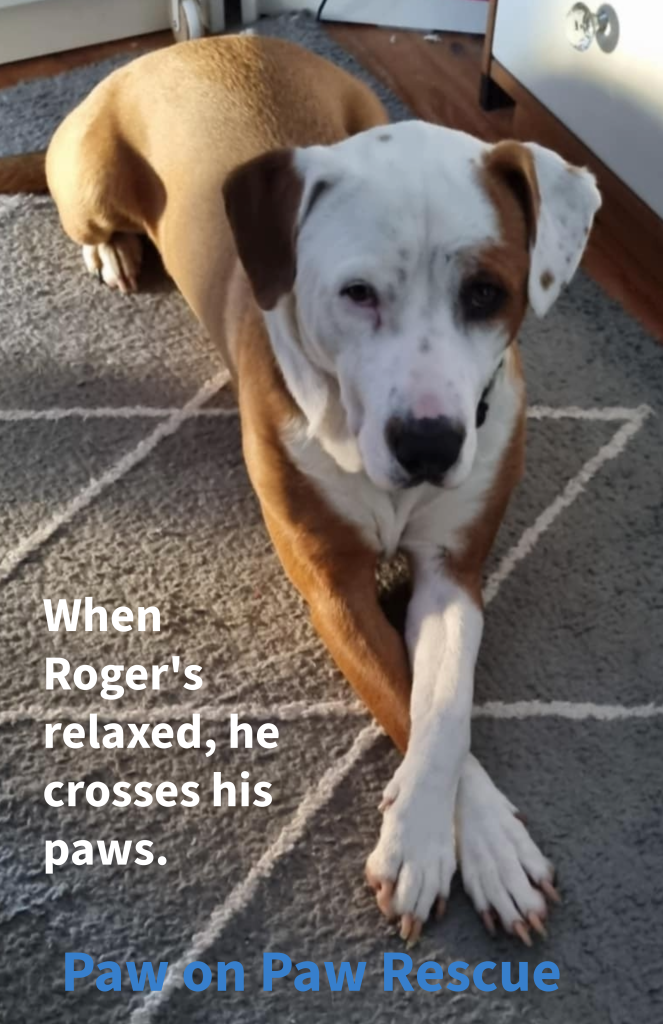
A crucial aspect of comprehending your pet's needs involves developing a keen awareness of their body language. Pets communicate constantly through a variety of signals, including vocalisations, body posture, facial expressions, and movements. Learning to interpret these signals can offer significant insights into their emotional state.
For example, a wagging tail on a dog might indicate excitement, while a lowered head and tucked tail could suggest fear or submission. By honing your observational skills, you can better ascertain how your pet is feeling, what they desire at any given moment, and whether they are experiencing comfort, stress, relaxation, or uncertainty.
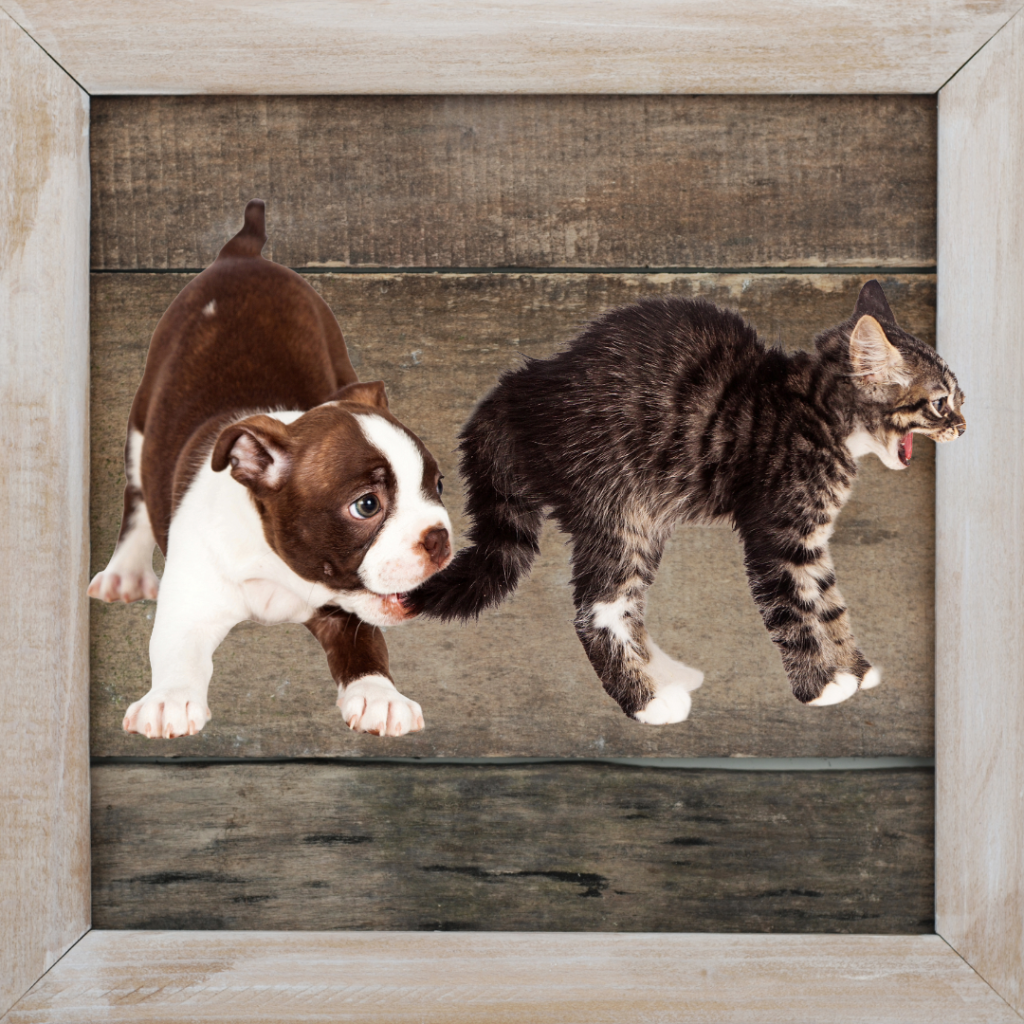
Alternatively, a swishing tail on a cat does not mean excitement; it generally means the cat is uncomfortable or agitated. It is a clear warning sign. You should give the cat space to calm down.
This knowledge not only strengthens your ability to respond appropriately to your pet's needs but also enhances their overall quality of life and your relationship with them.
Below is an introduction to Maddie's University. Their information and FREE short courses are amazing and extensive. Learn as much or as little as you like. When you enrol and complete these FREE Short Online Courses courses, you are assessed by answering some questions and then awarded a certificate.
If you are planning on becoming a Foster Carer, send your Certificates to the rescue along with Foster Carers Application.
These FREE ONLINE courses are excellent for pet owners, pet sitters and foster carers.
MADDIE'S UNIVERSITY
Managing Animals in Shelters & in Rescue with Foster Carers
Maddie's University was created to provide courses to enhance your knowledge of animal behaviour, animal welfare and animal care for animal shelter leadership, staff and volunteers (including rescue volunteers like Foster Carers). Maddie's University offers an extensive catalogue of classes and presentations to help you increase your animal care knowledge.
These FREE ONLINE courses are also excellent for pet owners, pet sitters and foster carers.
- FREE Self-Paced Learning courtesy of Maddie's University.
- Short Videos on Obedience & Training & Dog Psychology, Care & Enrichment.
- Short Videos on Cat Behaviour, Care, Enrichment, and Cat Psychology.
- Access to Accredited Animal Trainers.
- We will keep adding relevant and invaluable information week to week.
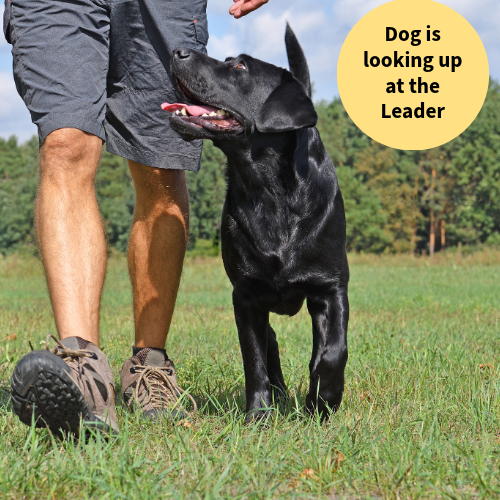
Building leadership through training and building a bond helps your dog to focus. An open mouth, slight pant and looking up towards their owner is a relaxed, calm dog.
- Better Focus: Your dog pays attention to you instead of outside sights or smells.
- Teamwork: It builds a strong habit of checking in before reacting to things.
- Quick Control: You can guide your dog easily when they look at your face.
- Calm Walking: It stops pulling because the dog walks with you, not ahead of you.