
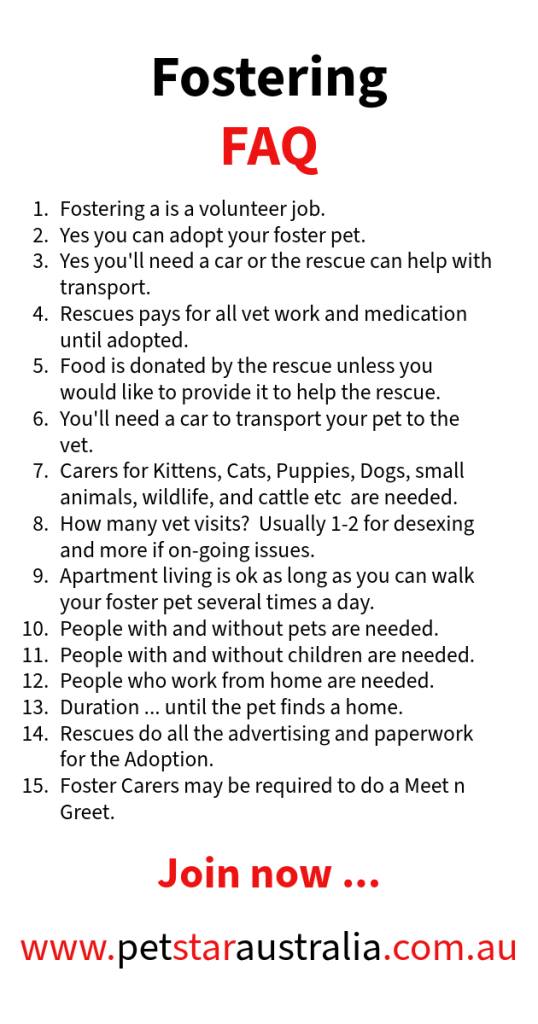
Fostering FAQ: Critical for Fostering Pets. Knowledge is one of the most essential components of successful pet fostering or adoption, as it allows you to provide safe, stable, and appropriate care from day one. Shelters and rescue groups emphasise that foster caregivers need a basic understanding of animal handling, feeding, toileting, behaviour, and home setup to effectively meet an animal's needs.
Why It Matters
When you understand what a pet requires, you can reduce stress for both the animal and your household. Although foster care is temporary, it requires a committed routine, reliable transportation for veterinary visits, and patience to support the pet's physical and emotional well-being.
Additionally, knowledge improves an animal's adoptability. Foster homes provide pets with individual attention, socialisation, and basic training, which can enhance their chances of finding permanent homes.
Common FAQ Answers
Why do I need to know so much before fostering?
Fostering is more than just providing a pet with a place to stay. It requires an understanding of animal behaviour, healthcare, and the practical demands of temporary care to ensure the pet remains safe and comfortable.
Does knowledge help with adoption, too?
Yes, adopters who are familiar with breed traits, age-related needs, training, and home preparation are more likely to create a long-term match that works for both them and the pet.
What kind of knowledge is most useful?
Basic feeding routines, litter or toilet training, recognising signs of stress, safe handling techniques, and knowing when to contact a rescue or veterinarian are especially valuable.
Better Outcomes
A knowledgeable foster caregiver or adopter can identify problems early, follow care instructions accurately, and help pets adjust to a home environment more quickly. This is important because many shelter animals need extra support before they are ready for adoption, and fostering can provide the individualised care they need.
A Simple Example
A cat foster caregiver who knows how to create a quiet indoor space, provide a litter tray, and recognise signs of anxiety will typically help the cat adjust faster than someone who is guessing. Such preparation can be the difference between a stressful experience and a successful transition to a forever home.
Final Point
In summary, knowledge is critical because it not only protects the pet but also supports the foster or adoptive home and increases the animal's chances of a successful placement.
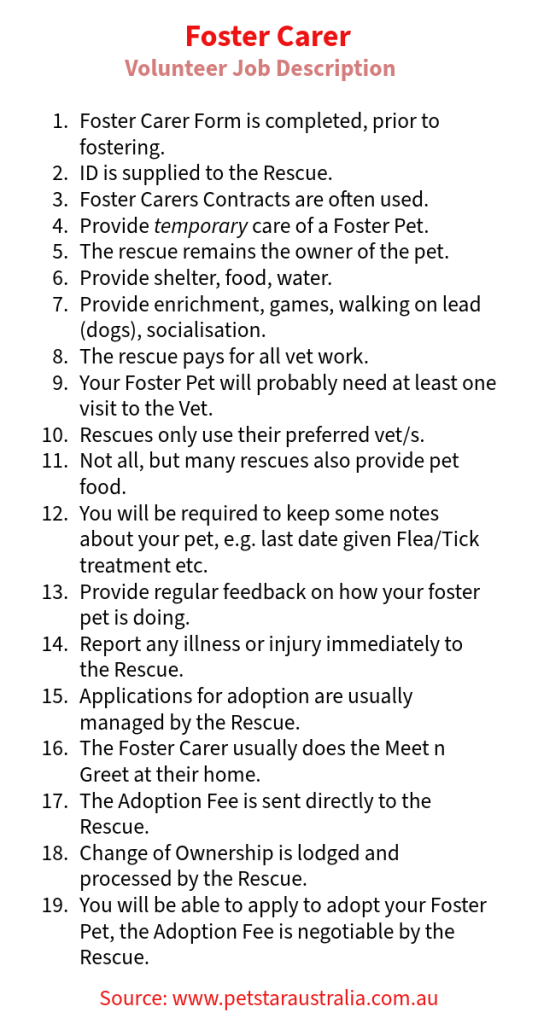

Complete the form and submit, and a rescue will then be able to match you to a pet for fostering.