
The pet food industry in Australia operates on a self-regulated model built around a voluntary standard, rather than a mandatory national law.
Further reading about pet food: https://www.sentient.org.au/the-regulation-of-pet-food
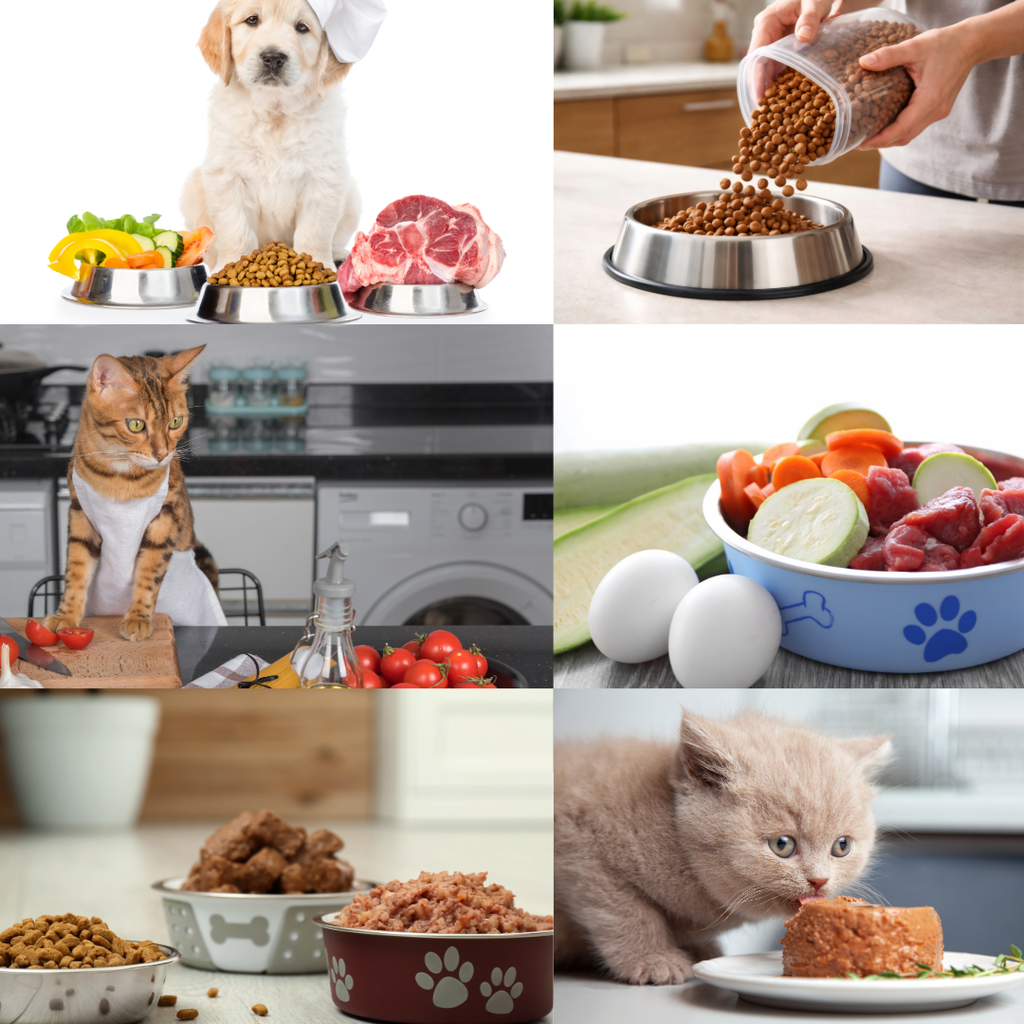
It is very important to check the ingredients of the pet food you buy. But first, let's look at some of the labelling:
"MEAL" what is it? When you see Poultry Meal or Lamb Meal in your pet's food for instance, what does it mean?
"Meal" in pet food is a dry, concentrated protein powder made by cooking down and grinding animal tissue through a process called rending. It contains clean animal flesh, skin, and bone depending on the specific label. The water is removed, making a high-protein powder.
Specific names like "chicken meal" does NOT mean the product comes strictly from that named animal. Always check the INGREDIENTS. Many products mix animal protein, especially by adding chicken.
Pet Food Industry Assoication of Australia (PFIAA)
The Pet Food Industry Association of Australia was established in September 1972.
The mission of the Association is to promote standards of excellence in the development of the pet food industry through:
- consideration of the needs of pets and the community;
- active promotion of the benefits of responsible pet ownership; and
- promotion of prepared pet food as the preferred method of pet nutrition and reinforced through establishment and self-regulation of industry standards.
Pet Food Standards (PFIAA)
Bloat (Gastric Dilatation-Volvulus or GDV) is a life-threatening emergency where a dog's stomach fills with gas and twists.
Causes: eating too fast, gulping air, food and too water after eating can swist the stomach. Do not offer food before or after a walk or run.
BLOAT: Early Warning Signs
Restlessness: Pacing, whining, or an inability to get comfortable.
Unproductive Retching: Dry-heaving or trying to vomit with nothing coming up except white foam.
Excessive Drooling: Salivating or drooling much more than usual.
Abdominal Discomfort: A tight, swollen, or hard belly that may feel like a drum.
Rapid Breathing: Heavy panting or shallow breathing due to pressure on the diaphragm.
Advanced and Critical Signs
Pale or Gray Gums: A sign of shock and poor blood circulation.
Rapid Heart Rate: Tachycardia or a racing pulse.
Collapse: Extreme weakness or an inability to stand
Let's look at sample ingredients for Lamb & Kangaroo Adult, Grain Free, Dry Dog Food:
Meat Meals (Kangaroo, Lamb & Chicken), Faba Beans, Chickpeas, Vegetables (Including Potato, Carrot, Spinach), Tallow (Beef & / Or Poultry), Chicken Gravy, Oils (Sunflower, Flaxseed, Fish & Emu), Beet Pulp, Salt, Essential Vitamins & Minerals (Including Calcium, Phosphorus, Potassium, Magnesium, Iron, Zinc, Manganese, Copper, Iodine, Selenium, Vitamins A, D3, E, K, Thiamine, Riboflavin, Niacin, Pyridoxine, Pantothenic Acid, Folic Acid, B12), Chicory Extract, Choline Chloride, Egg, Yucca Schidigera Extract, Natural Antioxidants (Including Rosemary), Fruits (Apple, Blueberry, Cranberry, Tomato), Alfalfa, Kelp.
Fava beans are safe and nutritious for dogs when they are fully cooked and processed into commercial pet foods in moderation. Should be NO MORE than 20% of a dog's diet to maintain good stool quality and food palatability.
Chickpeas provide dietary fibre, potassium, iron, and vitamins. Always serve them fully cooked and completely plain, without any added salt, oil, garlic, or spices. Should be under 10% of your dog's daily calories to prevent gas or digestive upset.
Beef tallow is a safe, high-energy fat source for dogs that enhances food palatability and supports skin, coat, and immune health.
Grains or No Grains?
Research by Dr. Deb Zoran
Dr Deb Zoran, a professor at the Texas A&M College of Veterinary Medicine & Biomedical Sciences (CVMBS), reported that “Dogs are, in fact, omnivores; they are actually programmed metabolically and nutritionally to use the building blocks from both plants (grains) and animals to meet their requirements for essential nutrients and energy."
“This is illustrated by wild dogs and wolves eating the ingesta—contents of the digestive tract that are largely plant material or grain—of large animal species they kill.”
"Zoran recommends that pet owners choose diets that have rigorous standards for research and quality testing, a well-developed reputation for providing complete and balanced foods, and back up their label claims with nutritional quality control testing. Additionally, owners should always seek advice from their veterinarian before changing their dog’s diet."
Top 3 Protein Allergies
Beef: The single most frequent food allergen in dogs, responsible for roughly 34% of confirmed cases because it is a staple in many commercial diets.
Dairy: Ranks second, causing immune-based reactions and skin irritation in about 17% of allergic dogs.
Chicken: A primary trigger in roughly 15% of cases, driven by long-term, repeated exposure across various commercial foods and fillers.
Other proteins: Less common reactions can still occur with lamb, eggs, soy, pork, and fish.
Low Tolerance to Protein
Signs that your cat or dog has a low tolerance or sensitivity to a specific protein include chronic digestive upset (diarrhoea) and persistent, non-seasonal skin irritation.
Common Signs in Dogs and Cats:
- Gastrointestinal distress: Frequent vomiting, soft stools, chronic diarrhoea, increased frequency of bowel movements, or excessive flatulence.
- Itchy skin and scratching: Constant paw licking, chewing at the legs or groin, head shaking, and scratching around the ears or face.
- Recurring infections: Chronic or repeating ear infections and hot spots on the skin.
- Coat and weight changes: A dull, dry coat, hair loss from over-grooming or scratching, and unexpected weight loss or low energy
Difference Between Intolerance and Allergy
Food intolerance: A non-immune reaction (such as difficulty digesting an ingredient) that usually leads straight to digestive upset like gas, vomiting, or diarrhoea.
Food allergy: An immune system overreaction to a protein (commonly beef, chicken, dairy, or fish) that frequently triggers severe skin itchiness alongside or instead of tummy trouble