
Tips for Adoption and Rehoming is a vital resource dedicated to ensuring every pet finds a safe, loving, and permanent home through responsible, transparent, and compassionate practices.
It offers practical guidance for prospective adopters, current pet owners, shelters, and rescue organisations, covering essential steps such as assessing a pet's needs, preparing a suitable home, understanding long-term responsibilities, and facilitating honest communication throughout the process.
By encouraging thoughtful decision-making, proper introductions, ongoing support, and humane rehoming options when necessary, the resource helps reduce abandonment, prevent mismatched placements, and promote lasting relationships between pets and their new owners.
| STATUS OF SELLER: Owner, Shelter, Rescue, Breeder. | TYPE OF ANIMAL: Cat, dog, cattle, reptile, chickens etc. | EXPECTED ADULT SIZE: Tiny, small, medium, large, and extra large. |
| VACCINATION STATUS & TYPE: Vaccinated/Unvaccinated - C3, C5, C7 | MICROCHIP NUMBER/BIN/RON: All dogs and cats listed for sale must be microchipped. | VET CHECK: Has the pet had a vet check within the last 12 months? Ask the vet to confirm. |
| AGE: Does the Buyer's Search display the correct age? | DESEX STATUS: Desexed or Entire | SEX: Male or Female |
| CONTACT INFORMATION: Name Location of Pet | ASK FOR ID: Does the name and address on the licence match the Adoption form, the Change of Ownership form and the Bill of Sale form? | OFFER TO DELIVER THE PET: Delivering the pet gives the adopter time to commit to the long comment of pet ownership; plus you are able to complete a home check. |
| HEARTWORM: Important questions: has the cat/dog ALWAYS had heartworm treatment without a break? If there was a break, when and how long? | Early on, dogs may show no signs. As worms grow, common signs are: Mild, steady cough, tiredness after normal play, lethargy, decreased appetite, weight loss, swollen belly from fluid build-up in late stages, sudden trouble breathing, pale gums, and dark urine in severe blockages. | Cats are atypical hosts, so signs can mimic other issues like asthma. Common signs include vomiting not linked to food, coughing and wheezing, hard or fast breathing, lethargy and less play, weight loss and poor appetite. Sudden collapse or sudden death in acute cases. |
| WARNING: without knowing, your pet may be Heartworm POSITIVE. Do NOT give heartworm preventative if there has been a break in treatment or the pet is showing symptoms: It can cause severe shock, inflammation and death. FURTHER READING: https://www.awlnsw.com.au/heartworm/ | Giving heartworm medicine to a dog with an active infection can be dangerous. Standard preventives do not kill adult heartworms, but if the dog has baby heartworms in its blood, the medicine can cause them to die off too fast. This sudden die-off can trigger a severe shock-like reaction or death. FURTHER READING: https://www.awlnsw.com.au/heartworm/ | Giving a cat heartworm preventive to a heartworm-positive cat can trigger an acute, severe, and potentially fatal shock or inflammatory reaction. When the preventive medicine kills microfilariae (immature heartworms) or affects adult worms rapidly, the sudden breakdown of the worms releases toxins and causes severe inflammation in the cat's lungs and blood vessels. FURTHER READING: https://www.awlnsw.com.au/heartworm/ |
Alternatives to rehoming a pet:
https://petstaraustralia.com.au/pet-care-and-training
Where to find a Dog Trainer or Dog Behaviourist
National Dog Trainers Federation
Delta Institute
https://www.deltainstitute.edu.au
Pet Professional Guild Australia
The Institute of Modern Dog Trainers Australia (IMDT)
https://www.imdt.com.au/find-a-qualified-imdt-trainer
Association of Pet Dog Trainers Australia Incorporated
The Structured Walk
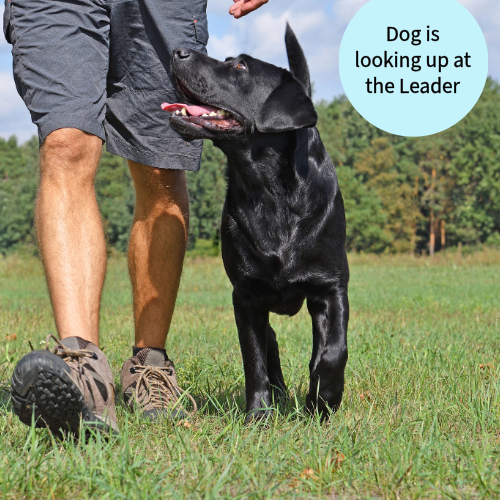
A structured walk is a disciplined, focused activity where your dog walks calmly besides or slightly behind you, paying attention to your pace, direction, and cues. Unlike a free-form walk where the dog leads the way and stops to sniff at will, a structured walk reinforces that you are the leader.
A structured walk isn’t just about exercise; it’s a mental workout, a leadership moment, and one of the most powerful tools in your training toolkit. Here’s why structured walks matter, and how we help dog owners transform chaotic outings into peaceful, purposeful strolls.
To read more about the Structured Walk by Next-Door K9 Solutions .... click here
Dog training during a Structured Walk provides mental stimulation, establishes leadership, and builds trust.